Projects
Selected Engineering Projects
These projects reflect my interest in hands-on engineering, rapid iteration, and building practical tools.
Professional projects are described at a high level and avoid proprietary details.
Hardware-Accelerated Cryptography Integration
Problem:
Integrate and validate hardware cryptographic engines across multiple microcontroller families while maintaining a consistent API surface.
What I Worked On:
- Integrated AES (ECB, CTR, GCM, CCM, XTS), SHA, ECC, TRNG, and PKE hardware engines
- Designed wrapper layers to normalize behavior across different hardware implementations
- Debugged DMA interactions, interrupt behavior, and hardware state machines
Key Takeaways:
- Hardware acceleration introduces non-obvious timing and state constraints
- Clear abstraction boundaries are critical for long-term maintainability
Host-Side Embedded Test Framework
Problem:
Embedded cryptographic code is difficult to validate purely on-device.
What I Built:
- Host-side unit testing framework using CMake, Unity, and GCC
- Hardware abstraction mocks for crypto engines, DMA, and interrupts
- Automated regression testing and coverage reporting
Why It Matters:
- Enables fast iteration without flashing hardware
- Improves confidence in correctness and edge cases
Personal & Side Projects
These projects reflect my interest in hands-on engineering, rapid iteration, and building practical tools.
Mini Guitar Hero Controllers
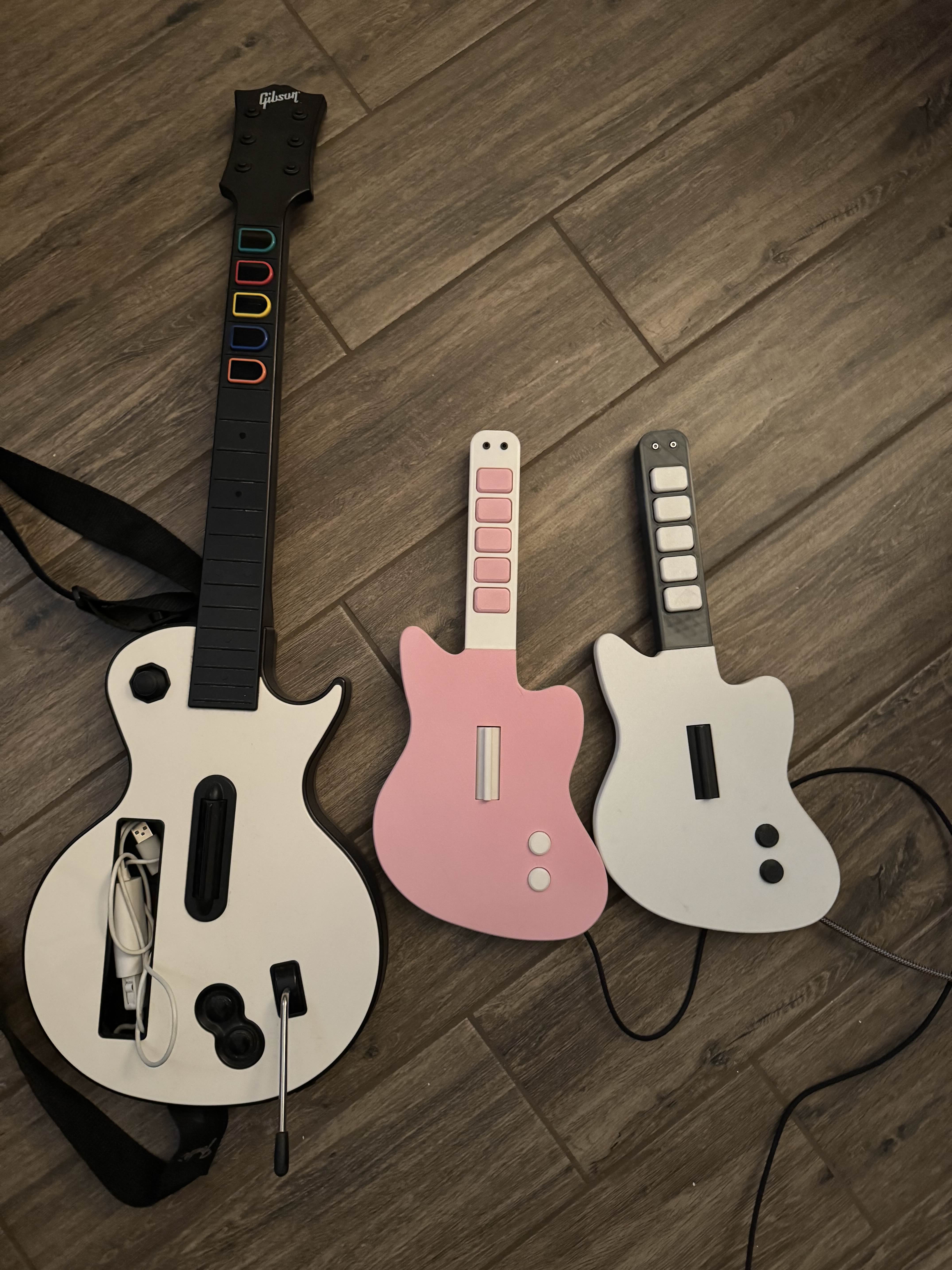
Motivation:
Commercial Guitar Hero controllers have become surprisingly expensive, and I already owned a 3D printer along with many of the required electronic components.
Rather than purchasing new controllers, it was cheaper and more interesting to build my own.
What I Built:
- Compact custom Guitar Hero-style controllers
- Used an ATmega32U4-based board (Arduino Micro form factor) for native USB HID support
- Leveraged existing parts such as switches and wiring, minimizing new component costs
- Designed and 3D-printed the enclosure and mechanical components
Why It Was Worth Doing:
- Reduced cost compared to buying original controllers
- Full control over form factor and input layout
- Reinforced firmware, hardware, and mechanical integration skills
Shared Household Calendar (Magic Mirror–Style Display)
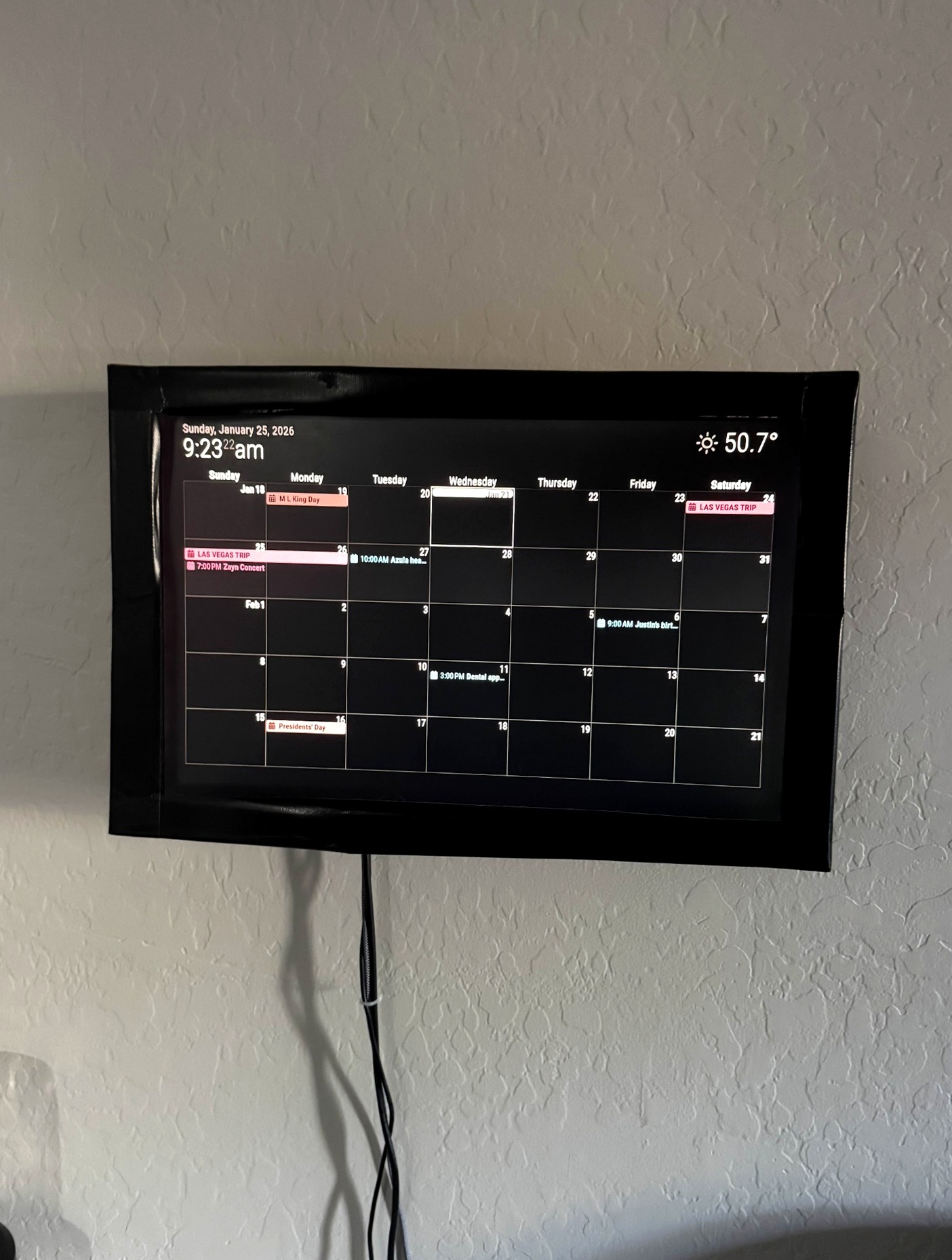
Motivation:
At one point, my girlfriend, her parents, and I were all living in the same house. Coordinating appointments, vacations, and medical visits across multiple people became difficult using individual calendars.
We needed a single, always-visible source of truth.
What I Built:
- A shared calendar display connected to multiple Google Calendar accounts
- Integrated each person’s calendar with color coding to clearly show:
- Who has events
- What day events occur
- Overlapping schedules
- Designed the system to be readable at a glance from across the room
Why It Was Worth Doing:
- Reduced scheduling conflicts and missed appointments
- Improved visibility for shared plans and travel
- Demonstrated practical integration of software services into a physical display
Shop Vac → Pet Vacuum Adapter

Motivation:
Pet grooming vacuum attachments are convenient but often limited by weak suction and small collection capacity. I already owned a shop vacuum with significantly stronger suction power and a much larger capacity.
The goal was to reduce grooming time and avoid frequent stops to empty the vacuum by leveraging equipment I already had.
What I Built:
- A custom-designed adapter to connect pet grooming vacuum brushes to a shop vac
- Iterated the adapter design using 3D printing to ensure proper fitment and airflow
- Designed the part to be durable enough for repeated use while maintaining a good seal
Why It Was Worth Doing:
- Stronger suction improved grooming effectiveness
- Larger capacity reduced interruptions during grooming sessions
- Less time wasted grooming
- Reinforced practical mechanical design and rapid iteration skills
3D Printing & Functional Parts
- Design and print small functional components, adapters, and fixtures
- Focus on tolerances, mechanical fit, and real-world usability
- Frequently used to support electronics, prototyping, and household projects